
April 10, 2026
How to Choose the Right Grass for the Gulf Coast
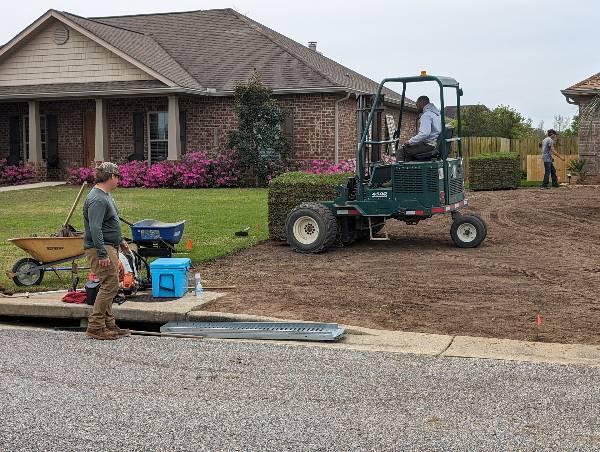
Living on the Gulf Coast means dealing with unique environmental conditions: intense heat, high humidity, salty air, and varying soil types ranging from sandy to heavy clay. Not every turfgrass can withstand these challenges. If you're looking to lay new sod or establish a lawn from scratch, selecting the right species is the most crucial decision you can make.
1. Bermuda Grass (The Sun Lover)
Bermuda grass is one of the most popular choices in the South due to its incredible heat resilience and aggressive growth habit. It thrives in full, direct sunlight and has excellent drought and wear tolerance, making it ideal for high-traffic areas or homes with active pets and kids. However, it does not do well in shaded areas. Its rapid growth means it will recover quickly from damage, but it also requires frequent mowing.
2. Centipede Grass (The Low-Maintenance Option)
Nicknamed the "lazy man's grass," Centipede grass is famous for its low maintenance requirements. It thrives in the acidic, sandy soils typical of the coastal region and requires less fertilizer and mowing than other types. It forms a dense, apple-green mat. The trade-off is that it cannot handle heavy foot traffic and is slow to recover if damaged.
3. Zoysia Grass (The Premium Turf)
Zoysia is favored for its dense, carpet-like feel and its ability to choke out most weeds. It is incredibly versatile, offering both high heat tolerance and better cold tolerance than Bermuda or Centipede. It also handles partial shade remarkably well. Zoysia has good wear tolerance once established, but it is slow-growing, meaning it takes longer to repair itself if worn down. It's often considered a premium grass due to its lush appearance.
4. St. Augustine Grass (The Shade Tolerator)
St. Augustine is a fantastic option if your property has many trees. It boasts excellent shade tolerance compared to other warm-season grasses. It also handles salt spray well, making it a staple for properties very close to the coast. Its wide, coarse blades create a thick, plush lawn. St. Augustine does require more water to stay healthy and is susceptible to specific pests, such as chinch bugs.
Evaluating Your Specific Needs
There is no "perfect" grass; only the right grass for your specific yard. Before buying sod, consider your lawn's sun exposure (full sun vs. shade), how much time you want to spend on maintenance, your soil type, and the amount of foot traffic the area will endure. By choosing a grass tailored to the Gulf Coast's environment and your lifestyle, you'll set yourself up for a beautiful, long-lasting lawn.